

Insights on Agentic Intelligence, Systems Design & Applied AI

Designing Agricultural Intelligence for Real-World Decisions
The next phase of agricultural productivity will depend less on increased inputs and more on better decisions at the field level. Artificial intelligence can support this shift only if it is designed to operate within the realities of frontline work. Conversational, execution-aware systems allow intelligence to adapt to local context, absorb lived experience and refine guidance over time. When communication is treated as a core design problem, AI moves beyond static advisories and becomes part of a learning ecosystem—one that honours farmer intuition while extending it through cumulative, data-informed insight.

How Conversational AI Builds Context And Organisational Memory
As AI systems improve, the real breakthrough is not higher intelligence but lower friction. When communication is designed well, systems tolerate incomplete thought, surface missing context, and stay aligned with human intent without constant clarification. Over time, these interactions accumulate into a shared operational memory — a digital brain that captures how decisions were shaped and ambiguity resolved. This is where co-intelligence emerges: an agentic mesh embedded in real workflows, learning from human judgement and turning everyday work into durable organisational intelligence.

Why AI Creativity Comes From Human System Design
AI is often described as creative, but its creativity is inherited, not innate. Every meaningful application of AI reflects human intent, judgement and design choices. The real challenge is not building intelligent systems, but operationalising that creativity so it changes how work actually happens. Co-intelligent, agentic system design enables organisations to embed AI into workflows, decisions and roles — turning capability into adoption. This is where creativity scales, not through models alone, but through thoughtful integration.

The Real AI Shift Is Integration
AI is moving from experimentation to integration. The next phase of adoption will not be driven by new models, but by how well organisations embed intelligence into real workflows, systems and decisions. This requires orchestration, governance and execution discipline — not just innovation. Agentic system design offers a path to controlled autonomy, enabling AI to act reliably within complex operational environments. The organisations that succeed will be those that design AI as infrastructure, not as a feature.

Enterprise AI Feels Powerful, But Rarely Scales
Enterprise AI adoption is entering a correction phase. After years of experimentation, organisations are questioning where real business value lies. The problem is not model capability, but how AI is engineered into workflows, decisions and systems. Lasting ROI emerges only when AI is treated as operational infrastructure rather than a collection of tools. Agentic systems, designed with governance and orchestration at their core, offer a path from fragmented pilots to scalable, dependable enterprise intelligence.
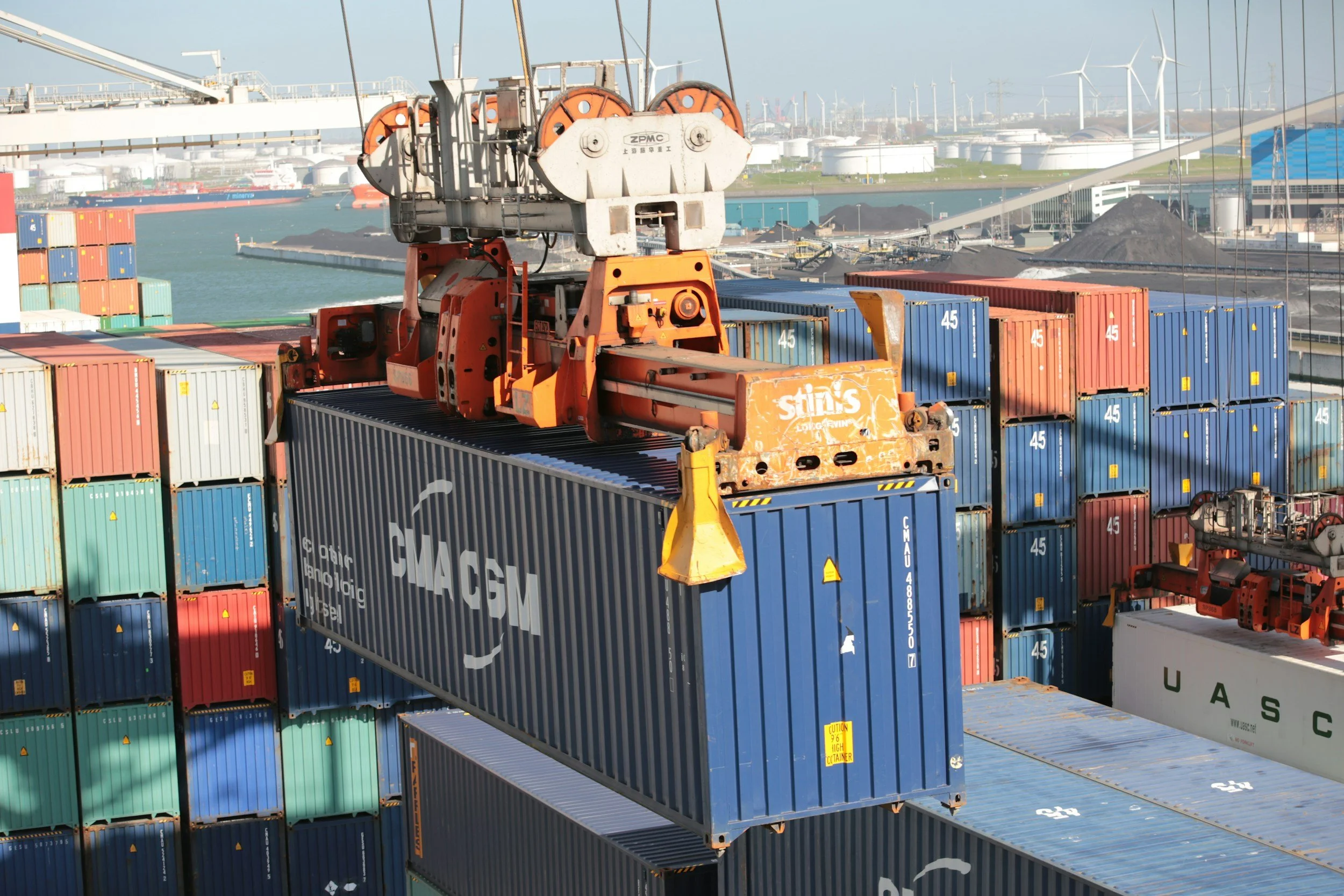
Why Import-Export Operations Break Under Pressure, And How to Fix Them
Import–export operations are complex by design, spanning markets, compliance regimes, logistics networks and financial systems. When managed through fragmented tools and human memory, agility becomes fragile. AI-enabled orchestration offers a different approach — connecting enquiries, costing, documentation, logistics and payments into a coherent operational intelligence layer. By reducing friction and preserving organisational knowledge, exporters can respond faster to opportunities while maintaining discipline and control across global trade operations.

Manufacturing Intelligence: From Tribal Knowledge to Organisational Memory
Most manufacturing knowledge management fails for a structural reason: documentation is a separate task from the work, and it will always lose priority. Cortex takes a different approach. The tool engineers use to evaluate and cost products is the same tool that captures their reasoning. No extra forms. No documentation step. The thinking flows through the system, so the system captures it.

From Reef Data to ESG Insight: Designing Agentic Environmental Intelligence
Environmental monitoring programmes generate vast amounts of visual data, yet translating this into consistent, decision-ready ESG insight remains challenging. Agentic intelligence bridges the gap between specialised scientific detection models and organisational reporting needs. By orchestrating data ingestion, contextual analysis, conversational exploration and automated reporting, such systems reduce manual effort while preserving scientific rigor. The result is a scalable, transparent and auditable intelligence pipeline that supports environmental restoration, biodiversity monitoring and ESG accountability at scale.

Making Regulated Financial Systems Conversational Without Losing Control
Financial systems must balance two competing demands: intuitive customer experiences and strict regulatory control. Many conversational interfaces fail when complexity increases. Agentic conversational intelligence resolves this tension by separating interaction from execution, enabling natural dialogue while enforcing permissions, compliance and auditability. The result is human-centric finance without compromising trust or control.

Listening at Scale: Designing Conversational Intelligence for Insight
Organisations increasingly need insight grounded in real human experience, yet traditional research methods struggle to reach people working under real-world constraints. Conversational intelligence offers a new approach — one that enables asynchronous, low-friction participation while preserving depth and nuance. By pairing adaptive dialogue with structured analytics and strong governance, organisations can transform fragmented qualitative input into reliable, decision-ready insight at scale.

From Forms to Intelligence: Rethinking Mystery Shopping Systems
Field intelligence systems often fail at the point of capture. Rigid forms, delayed submissions and manual processing distort reality before insights ever reach decision-makers. Agentic field intelligence reimagines this process by aligning reporting with how field work actually happens. Through conversational, adaptive interfaces and automated structuring, organisations can capture high-fidelity operational insight without increasing friction or administrative load.

Beyond Booking Engines: Building Intelligent Travel Systems
Travel decisions are emotional, contextual and non-linear — yet most travel platforms remain fragmented and transactional. Agentic travel intelligence introduces a unified orchestration layer that interprets intent, coordinates actions and manages operations across the entire journey. By connecting inspiration, planning, booking and post-trip support, platforms can scale without sacrificing personalisation or operational reliability.

Why Recruitment Tech Misses Fit — And How Intelligence Fixes It
Recruitment is often treated as a filtering problem, but real fit lives in nuance — behaviour, context, motivation and adaptability. Traditional systems flatten this complexity into keywords and checklists. Agentic recruitment intelligence replaces static screening with adaptive understanding, enabling richer candidate profiles, deeper role interpretation and explainable matching that supports better hiring decisions at scale.